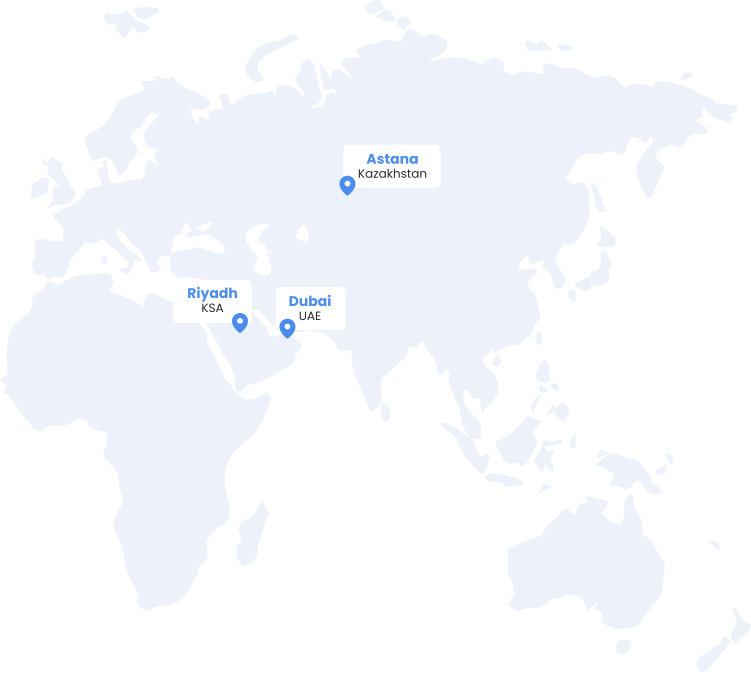
How Lifestyle-Oriented Real Estate Is Reshaping the Future of Saudi Cities


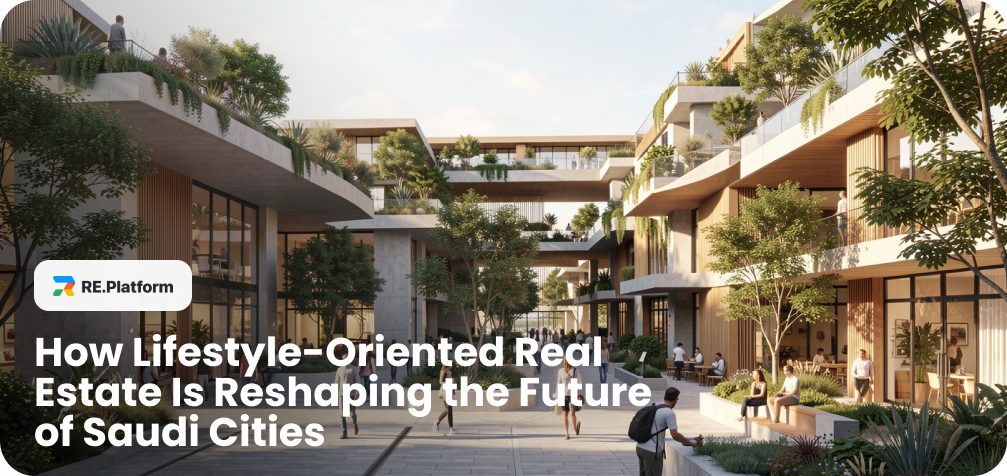
Saudi Arabia’s real estate sector is no longer defined by square meters delivered or units sold. It is increasingly shaped by experience, livability and long-term value creation. Under Vision 2030, property development has evolved into a strategic lever for economic diversification, tourism expansion and social transformation. The shift is structural rather than cyclical.
According to IMARC Group, the Saudi real estate market was valued at approximately $77.2 billion in 2025 and is projected to reach $137.8 billion by 2034, expanding at a compound annual growth rate of 6.7 percent between 2026 and 2034. Within that growth, lifestyle-oriented developments are expected to outperform traditional residential formats, with annual growth estimates closer to 8 percent over the next five years, according to industry consultants.
What is changing is not simply architecture, but intent. Developers are moving away from build-and-sell housing toward integrated ecosystems that combine residential, commercial, cultural and recreational elements in a single urban fabric.
Table of Contents
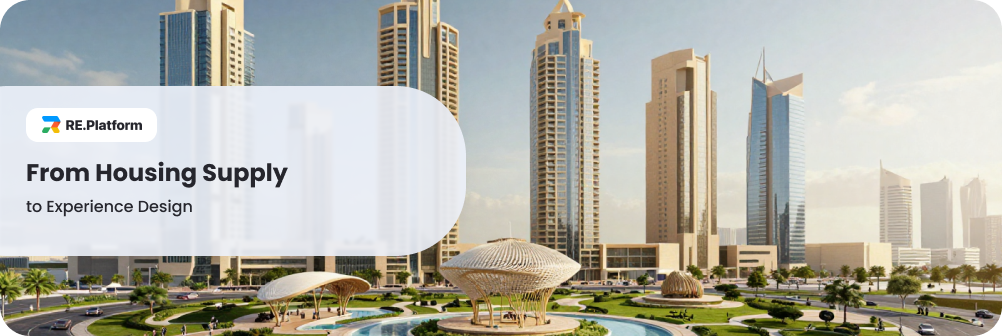
For decades, real estate in the Kingdom was primarily a supply-driven market. Demand centered on homeownership, and developers focused on delivering volume. Today, the conversation has shifted toward quality of life.
Sally Moussalli, Partner at Arthur D. Little, notes that consumer expectations are evolving alongside demographics and income levels. A young, urban, increasingly global population is demanding walkable neighborhoods, access to green space, integrated services and cultural vibrancy. Real estate, in this context, becomes a platform for lifestyle rather than a static asset.
Houssem Jemili, Senior Partner at Bain & Company Middle East, argues that demand is now concentrated in mixed-use districts that integrate infrastructure, sustainability and wellness. The emphasis is no longer on maximizing density alone, but on creating environments where people can live, work and socialize within a connected radius.
PwC Middle East’s 2025 report on sustainable real estate reinforces this perspective, highlighting a transition toward high-quality urban developments anchored in community cohesion and environmental responsibility. Giga-projects are not simply tourism showcases; they are urban laboratories designed to redefine everyday life.
Developers across Saudi Arabia are embedding specific components into new projects that signal this structural transition. The difference can be summarized as follows:
| Traditional Model | Lifestyle-Oriented Model |
|---|---|
| Standalone residential blocks | Integrated mixed-use districts |
| Car-dependent planning | Walkable, human-scale environments |
| Limited public space | Parks, plazas and wellness hubs |
| Transactional ownership focus | Long-term community value |
| Static infrastructure | Smart, data-enabled management |
Public realm investment has become central. Pedestrian zones, cycling paths and parks are designed not as aesthetic add-ons but as economic drivers. The presence of schools, nurseries, clinics, coworking spaces and dining options within walking distance reduces commute times and strengthens neighborhood identity.
Cultural infrastructure plays an equally important role. Museums, performance venues and heritage sites are integrated into masterplans to ensure districts remain active beyond working hours. The objective is continuity of activity rather than peak-hour congestion followed by inactivity.
Several Saudi cities are emerging as focal points of lifestyle-oriented development, each with a distinct urban narrative.
In Riyadh, large-scale projects such as the King Abdullah Financial District (KAFD), Diriyah Gate and areas surrounding King Salman Park exemplify the capital’s ambition to position itself as a global city. These districts combine commercial centers, residential towers, cultural institutions and extensive green spaces within integrated masterplans. High-density vertical development is being paired with smart mobility systems and energy-efficient design.
Jeddah presents a different but equally compelling proposition. Its coastal geography and historic districts, particularly Al-Balad, offer a foundation for waterfront regeneration and heritage-led urban renewal. The appeal lies in blending walkable cultural quarters with Red Sea views, attracting residents, tourists and investors seeking a differentiated lifestyle.
Secondary cities such as Abha and AlUla are carving out niches centered on nature, heritage and experiential tourism. Government-backed investments have elevated these regions into lifestyle destinations that balance ecological preservation with economic opportunity.
Bain’s Jemili notes that Riyadh and Jeddah stand out due to job concentration, liquidity and scalability of integrated community formats. Meanwhile, cities like Makkah and Madinah are shifting from unit expansion to qualitative upgrades in design and services.
Lifestyle-oriented real estate aligns directly with Vision 2030 objectives. The Kingdom aims to increase homeownership to 70 percent by 2030 while enhancing overall quality of life. At the same time, real estate functions as a magnet for foreign investment and talent attraction.
Institutional capital, public-private partnerships and regulatory reforms are accelerating this transformation. Government spending on infrastructure and social amenities reduces development risk and increases investor confidence. As a result, private capital participation has expanded across residential, commercial and logistics segments.
Importantly, this evolution also reflects macroeconomic positioning. As Saudi Arabia diversifies beyond hydrocarbons, urban development becomes a visible indicator of structural modernization. Integrated communities support workforce productivity, tourism inflows and entrepreneurial ecosystems.
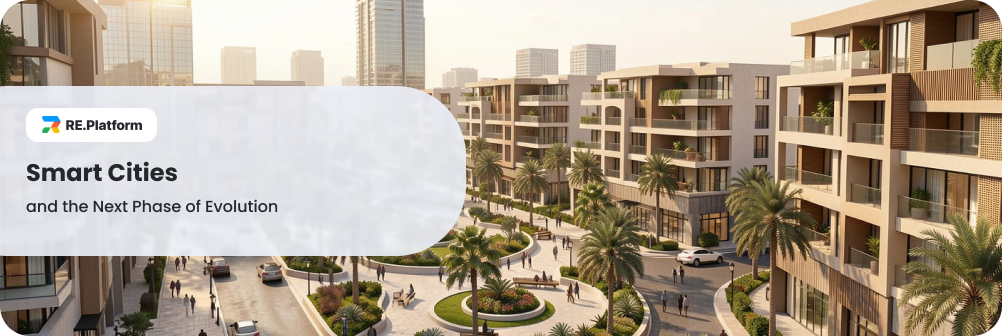
The next stage of the Saudi real estate market will likely be defined by integration and intelligent systems. According to Arthur D. Little, Riyadh is moving toward higher-density, vertically integrated neighborhoods designed to optimize land use and sustainability.
However, the deeper transformation lies in digital management. Developers are increasingly adopting AI-driven systems, real-time data analytics and digital twins to optimize energy consumption, mobility flows and maintenance. Real estate performance will be measured not merely by transaction volume, but by operational efficiency, environmental outcomes and resident satisfaction.
Bain emphasizes that neighborhoods will be managed as platforms rather than static assets. Data feedback loops will allow continuous optimization of energy use, transport networks and public services. The objective shifts from building more to building better.
PwC highlights the growing importance of adaptive infrastructure capable of supporting vertical districts and digitally connected quarters. The Kingdom is laying the groundwork for interconnected urban models that integrate sustainability, resilience and technological innovation.
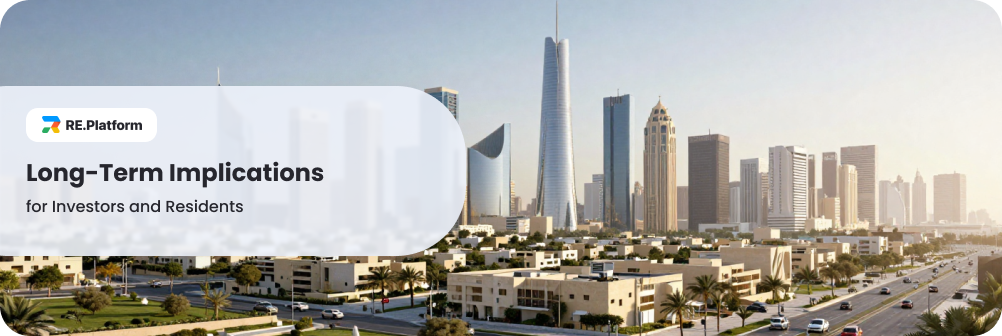
For investors, lifestyle-oriented developments offer diversified revenue streams across residential, retail, hospitality and cultural assets. Mixed-use formats reduce volatility compared to single-purpose projects and increase asset durability.
For residents, the impact is more immediate. Shorter commute times, accessible services and vibrant public spaces improve daily life. The emphasis on wellness, inclusivity and environmental quality reflects global urban trends, adapted to Saudi cultural identity.
This is not simply a real estate cycle. It represents a recalibration of urban purpose. As Moussalli observes, property in the Kingdom is becoming a strategic instrument for sustainable value creation rather than an end in itself.
Why is lifestyle-oriented real estate growing faster than traditional housing in Saudi Arabia?
Rising incomes, demographic shifts and Vision 2030 policies have increased demand for integrated, experience-driven environments rather than standalone housing units.
Which cities are leading this transformation?
Riyadh and Jeddah are primary hubs, supported by large-scale projects and infrastructure investment. Secondary cities such as AlUla and Abha are gaining prominence through tourism and heritage-driven models.
How does this trend affect foreign investors?
Regulatory reforms and public-private partnerships have improved transparency and access. Mixed-use developments offer diversified risk profiles and long-term growth potential.
What role does sustainability play?
Sustainability is central. Projects increasingly incorporate energy efficiency, smart mobility and resource management systems aligned with global ESG standards.
Is this shift sustainable beyond 2030?
Given demographic momentum, government backing and institutional capital involvement, the transformation appears structural rather than temporary.