Browse by category



Saudi Arabia’s real estate market is becoming increasingly transparent and digitally regulated, but that does not mean every property on the market is automatically safe to buy.
Many foreign buyers assume that if a project looks professional or is advertised through a broker, the legal side has already been checked. In reality, some of the biggest problems appear only after a buyer starts the transfer process — especially when ownership records, zoning classifications, or financing obligations are incomplete or unclear.
This is why proper due diligence matters.
Whether you are buying an apartment in Riyadh, an off-plan property in Jeddah, or a villa inside a master-planned community, verifying documents before transferring money is one of the most important parts of the process.
Table of Contents
Why Due Diligence Matters in Saudi Arabia
Saudi Arabia has modernized much of its property registration infrastructure through digital government systems and electronic deed verification. However, the market still includes projects at different stages of development, varying ownership structures, and properties tied to financing arrangements.
For international investors, the risks are usually not dramatic scams. More often, the issue is administrative or legal inconsistency:
- ownership records that do not fully match marketing materials
- unresolved financing tied to the property
- registration limitations for foreigners
- zoning classifications different from what buyers expected
These problems can delay registration, complicate resale, or create legal uncertainty later.
A structured verification process helps reduce those risks significantly.
How to Verify Property Ownership in Saudi Arabia

The first step in any property transaction is confirming that the seller is the legal owner of the asset.
In Saudi Arabia, ownership verification is handled through the electronic deed system connected to official government platforms. Buyers should always request the electronic title deed reference before signing agreements or paying deposits.
This document confirms:
- the registered owner
- the property status
- registration validity
- official property information tied to the unit or land
One of the most important things to avoid is informal or partially documented property arrangements. In some cases, buyers discover too late that the property was subdivided unofficially or marketed before registration was fully completed.
For additional protection, experienced buyers often review ownership history going back at least 10 years. This helps identify repeated disputes, rapid ownership transfers, unresolved claims, or irregular registration patterns.
Common Ownership Red Flags
| Issue | Why It Matters |
|---|---|
| Incomplete registration history | May indicate unresolved legal issues |
| Seller cannot provide electronic deed | Ownership may not be fully registered |
| Frequent ownership transfers | Sometimes linked to disputes or distressed assets |
| Court restrictions on title | Can block transfers or future resale |
| Informal subdivision arrangements | May not qualify for legal registration |
How to Check for Mortgages and Liens

A property may appear available for sale while still being tied to bank financing or other legal obligations.
In Saudi Arabia, the most common encumbrance is an active mortgage registered against the property. Before ownership can transfer cleanly, the financing bank usually needs to release its claim.
This is why buyers should confirm not only ownership, but also whether the property is free from outstanding obligations.
The safest approach includes:
- reviewing the electronic deed status
- checking for registered restrictions
- requesting confirmation from the seller regarding financing
- obtaining a release letter from the bank if a mortgage previously existed
Without proper release documentation, buyers may encounter delays during registration or problems completing the transfer.
Understanding Zoning and Land Use Rules
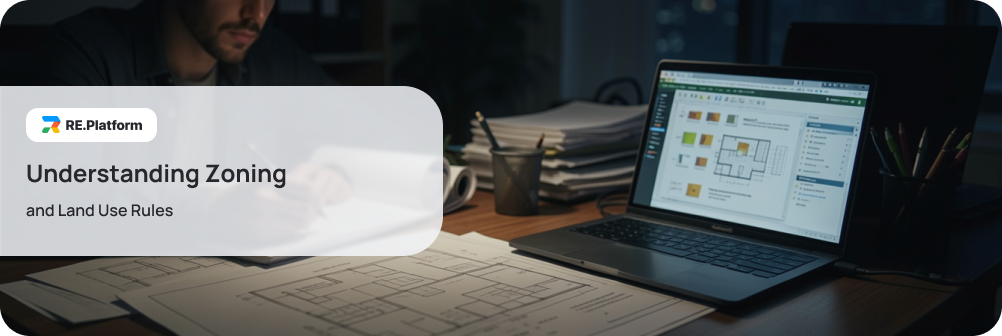
Zoning verification is one of the most overlooked parts of buying property in Saudi Arabia.
Many buyers focus only on the property itself without checking whether the land use classification actually matches the intended purpose of the asset.
Municipal planning authorities are responsible for zoning classifications, while large master-planned developments may also operate under additional developer approvals and planning frameworks.
Before purchasing property, buyers should confirm:
- whether the property is residential, commercial, or mixed-use
- whether the intended use is legally permitted
- whether the development complies with municipal planning approvals
- whether foreigners are allowed to own property in that zone
This last point is especially important.
Saudi Arabia’s foreign ownership framework depends heavily on designated zones. Some buyers only discover restrictions during the registration stage, after contracts have already been signed.
Key Documents Buyers Should Request

A proper due diligence process usually involves reviewing several important documents before completing a purchase.
| Document | Purpose |
|---|---|
| Electronic title deed | Confirms ownership and registration |
| Seller identification documents | Verifies transaction authority |
| Mortgage release letter | Confirms removal of financing obligations |
| Municipal planning approval | Confirms zoning and land use |
| Property tax and fee records | Identifies unpaid obligations |
| Developer approvals (for new projects) | Confirms project legitimacy |
For off-plan developments, buyers should also verify developer approvals, project licensing, and construction status.
Off-Plan Properties Require Extra Verification
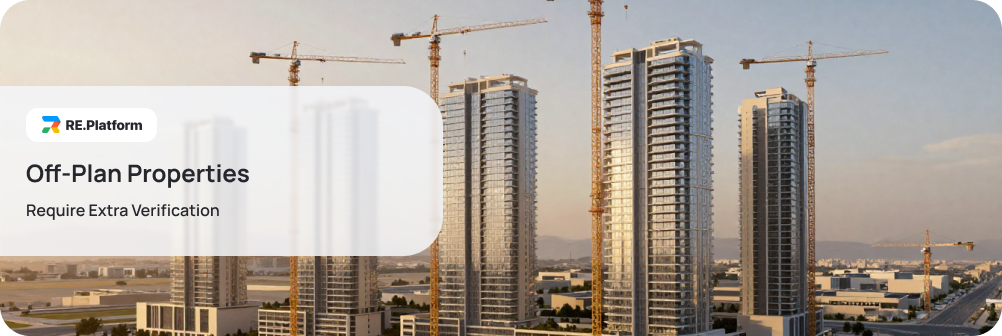
Saudi Arabia’s off-plan market continues growing rapidly, particularly in Riyadh and large Vision 2030 developments.
While many projects are legitimate and professionally managed, off-plan purchases naturally involve additional risk because the final asset does not yet physically exist.
This makes documentation even more important.
Buyers should carefully verify:
- developer registration
- project licensing
- construction approvals
- escrow arrangements if applicable
- foreign ownership eligibility
- projected completion terms
One common mistake is assuming that a high-profile marketing campaign guarantees legal clarity. In reality, registration eligibility and regulatory compliance matter far more than branding alone.
Can Foreign Buyers Handle Due Diligence Remotely?
Yes — many foreign investors now complete large parts of the process remotely.
Saudi Arabia’s digital systems allow buyers, lawyers, brokers, and developers to exchange documentation electronically and complete significant parts of the workflow online.
However, remote buying still requires caution.
Experienced investors usually work with:
- licensed brokers
- qualified legal advisors
- verified developers
- local representatives if needed
Remote buyers who skip professional verification often face more complications later than buyers who invest time in due diligence upfront.
Is Hiring a Lawyer Worth It?
Although Saudi Arabia’s digital property systems reduce paperwork compared to older transaction models, legal review still plays an important role.
A lawyer does not simply “process documents.” Their real value comes from identifying risks that government platforms themselves do not evaluate.
This may include:
- ownership eligibility issues
- hidden disputes
- contract risks
- zoning inconsistencies
- project approval concerns
- restrictions affecting foreigners
For high-value purchases or off-plan investments, professional legal review is often one of the safest investments a buyer can make.
Final Thoughts
Saudi Arabia’s real estate market offers significant opportunities, especially as major cities continue expanding through Vision 2030 projects and infrastructure investment.
At the same time, buyers should approach transactions carefully and avoid relying purely on marketing materials or informal assurances.
The strongest property purchases are usually the result of disciplined verification:
- confirming ownership
- checking registration status
- verifying zoning
- reviewing financing obligations
- ensuring the property qualifies for legal transfer
In a market that is becoming increasingly digital and regulated, proper due diligence is no longer optional — it is one of the most important parts of protecting your investment.